

The Timeless Beauty of Pearls
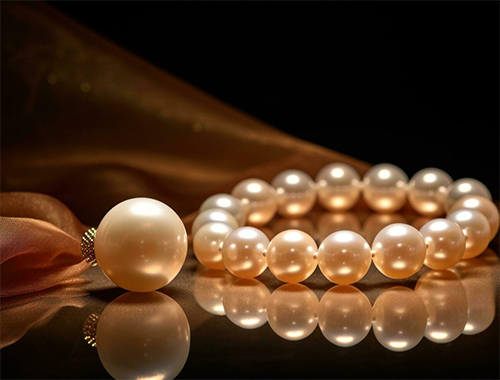 Pearls have captivated people for centuries with their timeless beauty and elegance. Unlike most gemstones, pearls are organic rather than mineral, formed within the soft tissue of molluscs such as oysters and mussels. Over time, these creatures secrete layers of nacre around an irritant, resulting in the lustrous and unique pearls we treasure today. Pearls come in a variety of colours, from classic white and cream to rare shades of black, pink, and gold.
Historically, pearls have symbolized wealth, status, and beauty, worn by royalty and nobility throughout different cultures. Their rarity and the intricate process required to harvest them only add to their allure. Natural pearls, which are formed without human intervention, are especially valuable due to their scarcity. Cultured pearls, on the other hand, are farmed intentionally and are more widely available, offering a more affordable option without sacrificing beauty.
Are Diamonds Really Forever?
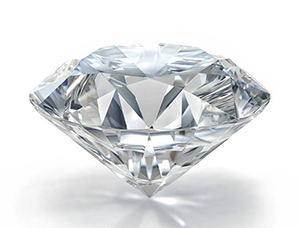
The phrase "diamonds are forever" has become an iconic slogan, popularized by the De Beers diamond company in the 1940s. It suggests that diamonds are the ultimate symbol of eternal love, durability, and permanence. While the sentiment is romantic, the question arises: Are diamonds truly forever?
Diamonds are certainly among the hardest natural materials on Earth, ranking a perfect 10 on the Mohs scale of hardness. This hardness makes them incredibly resistant to scratches and wear, which contributes to their reputation for longevity. When cared for properly, diamonds can last for generations, maintaining their brilliance and beauty.
How to Care for Your Gold Jewellery
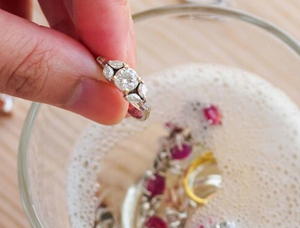 Gold jewellery is a timeless and valuable investment, appreciated for its beauty and elegance. Whether it’s a simple gold ring, a delicate necklace, or a sparkling pair of earrings, proper care can ensure that your gold jewellery maintains its shine and lasts for years. Though gold is durable, it can still be prone to scratches, tarnishing, and damage if not handled properly. Here are some essential tips for caring for your gold jewellery.
Clean Regularly
Gold jewellery tends to collect dirt, oils, and grime from everyday wear. To maintain its brilliance, it is important to clean it regularly. A simple cleaning solution of mild dish soap and warm water can effectively remove buildup. Use a soft cloth or a gentle toothbrush to scrub the jewellery, being careful not to scratch it. Afterward, rinse it with lukewarm water and dry with a soft, lint-free cloth.Avoid Harsh Chemicals
Chemicals such as bleach, chlorine, and abrasive cleaning agents can damage gold jewellery. Chlorine, in particular, can weaken gold and cause it to break or lose its shine. It's important to remove your gold jewellery before swimming in pools, using cleaning products, or applying perfumes and lotions, as these substances can cause tarnishing or dullness over time
What is the difference between Zircons and Diamonds?
Zircons and diamonds are both gemstones that have captivated people for centuries. While they share some similarities, such as their crystal structure and brilliance, they are fundamentally different in terms of their composition, appearance, and rarity. Understanding these distinctions is essential for anyone interested in gemmology or jewellery selection. This essay will explore the key differences between zircons and diamonds, focusing on their chemical makeup, physical properties, origins, and uses.
Chemical Composition
The primary difference between zircons and diamonds lies in their chemical composition. Zircon (often confused with cubic zirconia, which is a synthetic material) is a naturally occurring mineral made up of zirconium silicate (ZrSiO₄). It forms under high temperatures and pressure in metamorphic rocks. Zircons are typically found in a wide range of colours, including colourless, yellow, brown, and even rare shades of red and green, depending on trace elements within the stone.
On the other hand, diamonds are made of pure carbon (C) that has crystallized under extreme pressure and temperature deep within the Earth’s mantle. This pure carbon structure gives diamonds their renowned hardness and exceptional clarity. Unlike zircons, diamonds are colourless when pure, though they can take on different hues (like yellow, pink, or blue) due to the presence of impurities or structural anomalies.
Read more: What is the difference between Zircons and Diamonds?
 Chat with us

 Log into Messenger