

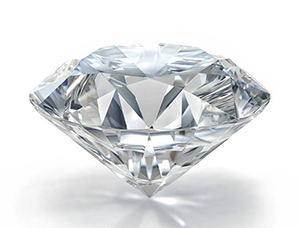
The phrase "diamonds are forever" has become an iconic slogan, popularized by the De Beers diamond company in the 1940s. It suggests that diamonds are the ultimate symbol of eternal love, durability, and permanence. While the sentiment is romantic, the question arises: Are diamonds truly forever?
Diamonds are certainly among the hardest natural materials on Earth, ranking a perfect 10 on the Mohs scale of hardness. This hardness makes them incredibly resistant to scratches and wear, which contributes to their reputation for longevity. When cared for properly, diamonds can last for generations, maintaining their brilliance and beauty.
However, while diamonds are remarkably durable, they are not indestructible. Despite their hardness, they can still be damaged under certain conditions, such as being struck with extreme force. Diamonds are also prone to internal flaws (inclusions) or external blemishes, which can affect their clarity and overall appearance over time. Environmental factors, such as exposure to harsh chemicals or extreme temperatures, can also potentially harm a diamond.
In addition, the concept of diamonds being "forever" takes on a more figurative meaning in a changing world. Diamonds, as a symbol of love and commitment, hold lasting emotional and cultural significance for many people. However, in practical terms, they are finite resources. The process of mining diamonds is environmentally impactful, and the supply of high-quality diamonds is limited.
In conclusion, while diamonds are incredibly durable and can last for generations when cared for, they are not truly "forever" in every sense. Their lasting appeal, however, lies not only in their physical properties but in the timeless symbolism they carry as a symbol of enduring love and value.
 Chat with us

 Log into Messenger